Arabic is under 3% of the web, so AI search struggles with it. Original Arabic content is the real fix.

Award-Winning Digital Marketing Agency In Abu Dhabi
Arabic is under 3% of the web, so AI search struggles with it. Original Arabic content is the real fix.
Higgsfield AI turns text or photos into cinematic video clips in minutes; here’s what this AI video generator actually delivers.
Meta’s new metrics let Abu Dhabi brands finally measure chatbot performance, purchase intent, and containment rate on WhatsApp and Messenger.
How the OpenAI–Pentagon controversy triggered a mass migration to Claude, and which AI tool actually wins for your workflow.
The deal that started it all
In late February 2025, OpenAI CEO Sam Altman announced a landmark agreement with the U.S. Department of Defense — making the company’s AI models available inside government and military networks. On the surface, it looked like a routine enterprise deal. In practice, it lit a fuse.
The concern wasn’t the partnership itself — it was what the partnership could enable. Critics inside and outside the tech industry raised alarms about AI being used for autonomous weapons systems, mass surveillance of citizens, and combat decision-making with little to no human oversight. For a technology that had been marketed as a productivity and creativity tool, the pivot toward military infrastructure felt jarring to many.
Anthropic — the company behind Claude — found itself at the center of the story too, but from the opposite direction. Anthropic had already declined a similar arrangement with the Pentagon, refusing terms that would have allowed its model to be used in autonomous combat systems or mass-surveillance programs. The DoD’s response was unusual: they labeled Anthropic a “supply chain risk” — a designation normally reserved for foreign companies considered a national security threat, not American AI labs.
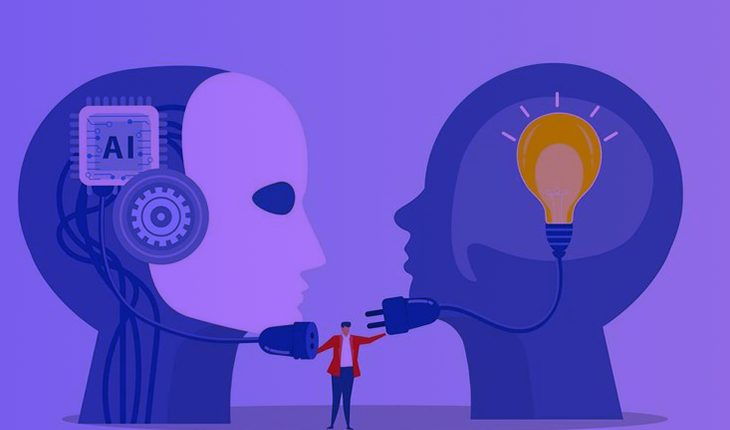
The backlash was swift and came from multiple directions simultaneously.
Inside OpenAI, the head of robotics — Caitlin Kalinowski — resigned in protest, citing ethical concerns about the potential use of AI in surveillance and autonomous combat. She made clear the decision was a matter of principle. Shortly after, nearly 900 employees and researchers across major tech companies co-signed an open letter warning about the dangers of deploying AI in military applications without clear safeguards and oversight frameworks.
OpenAI responded to the pressure by announcing modifications to the Pentagon agreement — adding explicit restrictions preventing the models from being used in domestic surveillance of U.S. citizens or fully autonomous weapons. But for many, the concessions came too late to restore confidence.
Thousands of ChatGPT users cancelled their subscriptions and downloaded Claude — some to start fresh, others to migrate their entire knowledge base. AI educator Kyle Palmer, who followed the migration closely, put it plainly: “New users expected Claude to behave just like ChatGPT. For many, it was a culture shock.”
What all three groups shared was a newly raised awareness: the AI tools they use every day are not neutral utilities. The companies behind them make choices — ethical, commercial, and political — that have real consequences.
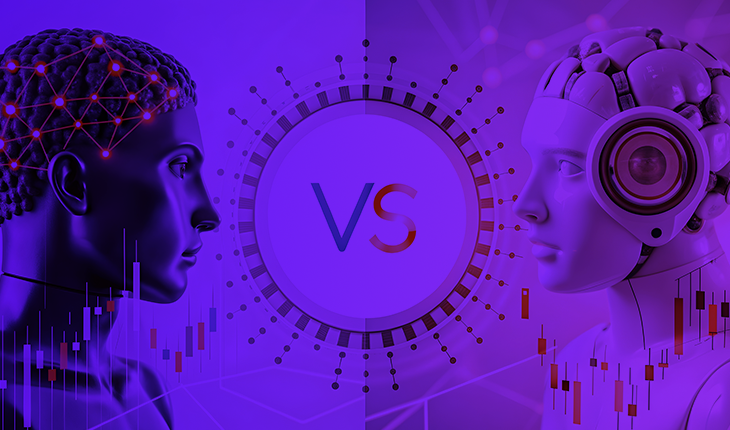
Beyond the politics, the two tools serve genuinely different use cases. Here’s the honest breakdown.
Most tutorials, agency workflows, and enterprise tools are built around it — meaning lower onboarding friction for new team members.
Claude is designed to push back on problematic requests, which can feel limiting for casual use but reassuring in enterprise and compliance contexts.

The ChatGPT vs Claude debate doesn’t have a single winner — it has two different tools built for two different jobs.
The smartest teams are learning to use both.
What the OpenAI–Pentagon controversy made clear is that AI is no longer just a productivity tool. It’s a strategic asset — and the vendors you choose to build on reflect values, not just features. Knowing the difference and making the right call for your business is now a competitive skill.
435 Digital is a digital marketing agency based in Abu Dhabi, helping businesses across the UAE navigate AI, content strategy, and digital growth. Want to talk about integrating AI into your marketing workflows?
Will AI Replace Marketers in 2026? A deep dive into AI’s true role in marketing, what it cannot replace, and why human strategy and creativity still drive results.
Discover how AI is reshaping digital marketing. Explore its evolution, real-world uses, and how 435 Digital boosts your brand with smart AI-driven strategies.
Discover how Andromeda by Meta is transforming digital ads with AI, smart targeting, and advanced tools like Advantage+ and GenAI to boost performance and ROAS.

The realm of SEO is constantly evolving, and one of the most significant recent changes is the rise of artificial intelligence. By leveraging AI’s powerful data analysis and processing capabilities, SEO professionals are unlocking new levels of efficiency, insights, and effectiveness. This article dives into the various ways AI is revolutionizing SEO and how you can utilize it to elevate your website’s ranking and visibility.
AI in SEO doesn’t replace human expertise; it serves as a powerful augmentation. The technology excels at analyzing massive amounts of data, identifying patterns, and making predictions, tasks that can be overwhelming and time-consuming for humans. This ability translates to several key benefits for SEO:
Enhanced Keyword Research:
AI tools can analyze search trends, competitor strategies, and user behavior to uncover valuable keyword opportunities. They can go beyond basic keyword volume data and suggest related concepts, long-tail variations, and rising trends, ensuring your content targets the right audience and search intent.
Content Creation and Optimization:
AI writing assistants can generate drafts, suggest relevant topics and subtopics, and identify improvement areas in your content based on SEO best practices. These tools save time and ensure your content adheres to the latest search engine algorithms.
Personalized User Experience:
AI can analyze user behavior on your website and personalize the search experience. This includes suggesting relevant content recommendations, optimizing site navigation, and even personalizing meta descriptions for individual users, leading to higher engagement and click-through rates.
Technical SEO Efficiency:
AI-powered tools can automate technical SEO audits, identifying broken links, crawl errors, and mobile responsiveness issues. This saves time and ensures your website’s technical foundation is optimal for search engine crawlers.
Competitor Analysis and Insights:
AI can analyze your competitors’ websites and SEO strategies, providing valuable insights into their keyword usage, content performance, and backlinks. This allows you to identify gaps in your own strategy and develop competitive campaigns.
The market is brimming with AI-powered SEO tools, each offering unique features and functionalities. Here are some popular options:
SEMrush: Offers a comprehensive suite of SEO tools, including keyword research, content optimization suggestions, and competitor analysis, heavily powered by AI.
Ahrefs: Provides in-depth backlink analysis, competitor research, and on-page SEO recommendations, utilizing advanced AI algorithms.
Surfer SEO: Focuses on on-page optimization, analyzing your content against top-ranking competitors and suggesting improvements based on AI-powered insights.
Frase: This AI writing assistant helps create high-quality, SEO-optimized content by suggesting relevant topics, outlining structures, and providing writing prompts.
Ryte: Offers a comprehensive technical SEO audit tool, powered by AI, to identify and fix website issues hindering search engine visibility.
Beyond the Hype: Key Considerations and Best Practices
While AI offers tremendous potential in SEO, it’s crucial to remember that it’s not a magic bullet. Here are some key considerations to keep in mind:
AI tools are not replacements for human expertise: They enhance SEO efforts, but strategic direction and critical thinking still require human input.
Data quality is paramount: The effectiveness of AI tools heavily relies on the quality and quantity of data they analyze. Ensure you use reputable sources and provide accurate information.
Content authenticity remains critical: Even with AI assistance, prioritize creating original, valuable content that resonates with your audience.
Transparency and user experience matter: Ensure AI-generated content doesn’t appear robotic or misleading. Prioritize human review and editing for natural language and user-friendliness.
Stay updated with evolving technology: The field of AI is constantly changing, so keep yourself informed about new tools and advancements to remain at the forefront of SEO.
As AI continues to evolve, its impact on SEO will only grow. By thoughtfully integrating this technology into your strategy, you can gain valuable insights, automate repetitive tasks, and create optimized content that resonates with your audience. Remember, AI is a powerful tool, but it’s your strategic vision and human expertise that will ultimately drive your website’s success in the ever-changing search landscape.