
Picking a marketing agency used to be easy. You’d check how many posts they promised, how nice the designs looked, maybe scroll through their Instagram feed for a few minutes, and that was kind of it. That whole approach doesn’t really hold up anymore. AI has made content fast and cheap to produce, so an agency that simply “posts a lot” isn’t bringing anything special to the table. What actually separates a great agency from an average one in 2026 comes down to strategy, data, and whether they can show you a real return on what you’re spending.
If you’re a business owner in Abu Dhabi trying to figure out who to trust with your marketing right now, here’s what’s actually worth paying attention to.

Content on its own isn’t a strategy
For years, agencies sold deliverables. A set number of posts, a few reels, some carousel graphics. That made sense when content took real time and money to produce. Now that AI can spit out content in seconds, the value has moved upstream, to the thinking that happens before anything gets posted.
A solid agency should be asking you questions like:
- Who is your customer, really?
- What does their journey from “never heard of you” to “ready to buy” actually look like?
- What are you trying to achieve as a business, not just as a marketing department?
- Which channels make sense for the people you’re trying to reach?
- How are we going to know, at the end of the month, whether any of this worked?
If an agency skips straight to “let’s start posting,” that’s worth noticing. Strategy has to come first, and Google’s own guidance on holistic marketing backs this up.

Ask them, plainly, how they’re using AI
Every agency in town will tell you they “use AI” now. That’s not really the question. The question is how.
A capable team uses it to:
- Speed up research and competitor analysis
- Understand customer behavior and patterns
- Test out several creative directions quickly instead of guessing
- Fine-tune ad campaigns based on what’s actually performing
- Free their people up to focus on strategy instead of repetitive tasks
A weaker agency just uses it to churn out content that sounds like everyone else’s. Google has said something similar, that the strongest teams treat AI as something that amplifies human expertise rather than replaces it. If an agency can’t explain how AI fits into their day-to-day work beyond “writing posts,” ask more questions.

Data matters more than design these days
A gorgeous design with no data behind it is really just decoration. The agencies getting real results in 2026 are building campaigns around first-party data, the information you collect directly from your own customers, your website, your CRM, your email list, rather than leaning entirely on whatever a platform’s algorithm decides to show you.
Your agency should be helping with:
- Collecting customer data the right way
- Organizing it so it’s actually usable
- Reading it to understand what’s working and what isn’t
- Using it to sharpen targeting and spend smarter
- Making calls based on numbers, not hunches
This matters a lot for businesses here in competitive sectors like real estate, construction, or home services, where knowing exactly who your customer is can mean the difference between burning through budget and bringing in leads that actually convert.

Are they measuring results, or just reporting activity?
This might be the single most important question to ask before you sign anything: how will they actually measure success?
A professional agency will talk you through numbers tied to your bottom line, things like:
- Cost per lead
- Conversion rate
- Customer acquisition cost
- Return on ad spend
- Return on investment
A weaker one tends to hide behind likes, views, and follower counts, things that look fine on a slide but don’t tell you whether your business actually grew. Today’s customer journey moves across multiple touchpoints, so measurement needs to reflect that, not flatten it into something simple and meaningless.

Strategy first, execution second
Before you sign, ask them to walk you through their reasoning. Why this channel? Why this audience? Why this messaging? If they can’t give you a real answer, there’s a decent chance they’re running on autopilot.
A genuinely good agency usually starts with market research, competitor analysis, building out customer personas, mapping the customer journey, and setting clear goals before content or ads even enter the conversation.

A report should answer questions, not just throw numbers at you
A report that’s just a wall of charts isn’t really helping you. A good one tells you what happened, why it happened, what’s planned next, where the untapped opportunities are, and where things are falling short and why.
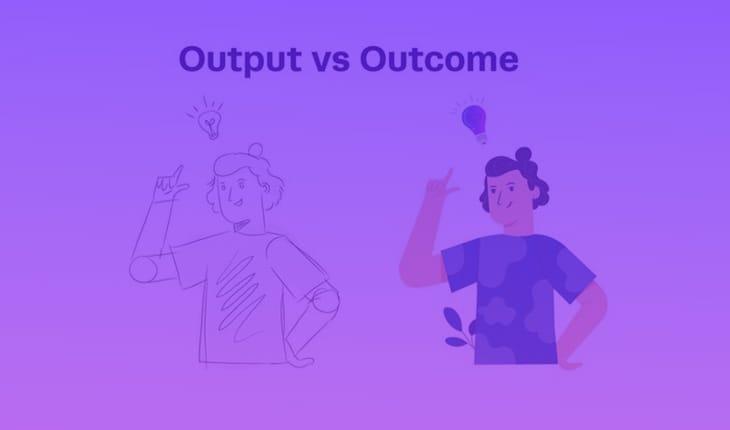
Outputs vs. outcomes
This is the real mindset shift for 2026. There’s a difference between outputs, twenty posts, fifteen reels, ten designs, and outcomes, more leads, better conversion rates, higher sales, stronger customer value over time. You’re not paying someone to stay busy. You’re paying them to actually move your business forward.
Before you sign, make sure they:
- Start with strategy before jumping into execution
- Use AI to support thinking and creativity, not just mass-produce content
- Build around your own first-party data
- Set clear, measurable KPIs from day one
- Give you reports that explain results, not just display them
- Track impact on sales and ROI, not just engagement
- Have real experience with analytics, conversion tracking, and CRM integration
- Make decisions based on data, not assumptions
Abu Dhabi’s market is competitive, and the agencies that’ll actually move the needle for you in 2026 are the ones thinking past the content calendar. At 435 Digital, that’s the approach we bring to every client we work with: strategy first, data-driven decisions, and a constant focus on results that actually matter to your business.