
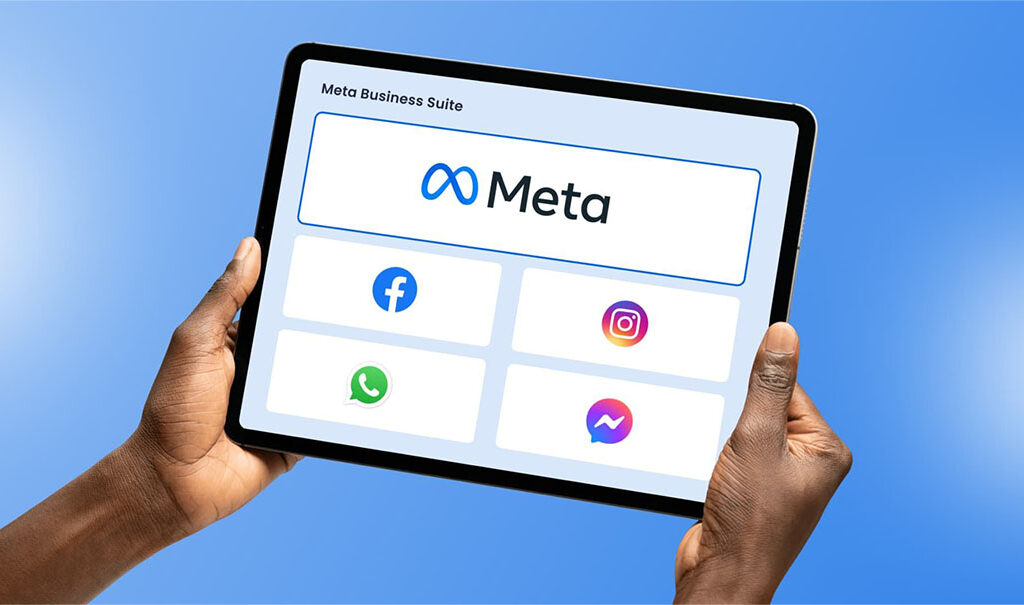
If you run a business page on Facebook, Instagram, or WhatsApp, chances are you have either already deployed an AI chatbot or are seriously thinking about it. Meta has just made that decision much easier to justify and measure. The company has introduced a set of new performance metrics inside Meta Business Suite, giving brands a clearer window into how their AI-powered Business Agents are actually performing on the ground.
For companies across Abu Dhabi and the wider UAE, where WhatsApp Business and Messenger have become the default channels for customer service, this update matters. Here at 435 Digital, we have been tracking this shift closely since digital marketing in Abu Dhabi has been leaning harder into automation over the past year, and now brands finally have the data to back up whether that shift is paying off.
What Are Meta Business Agents?
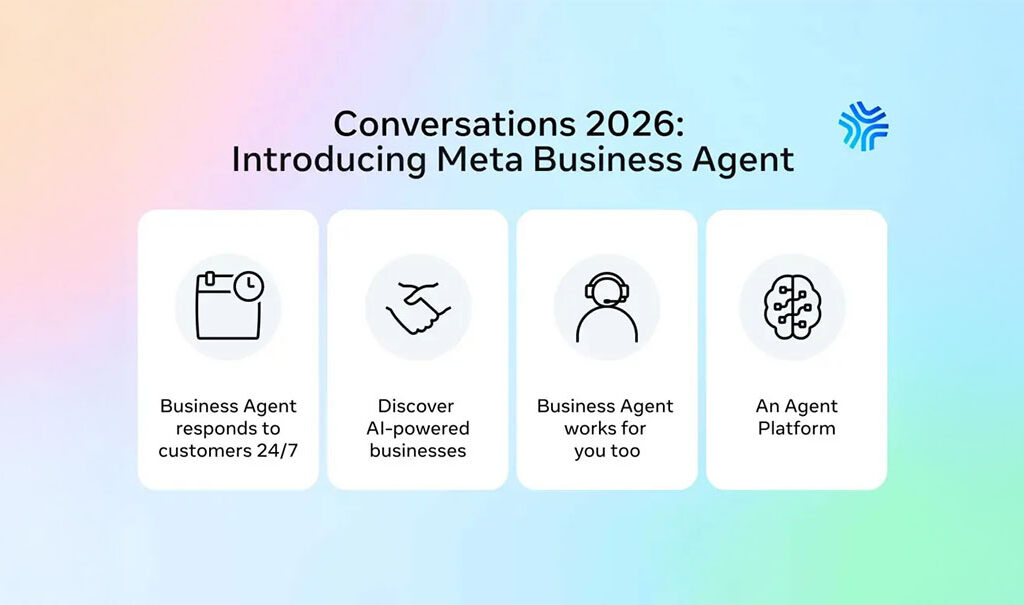
Before getting into the new metrics, it helps to understand what they are actually measuring. Meta’s AI chatbots for business, known as Business Agents, are custom-trained conversational tools that respond to customer queries on Messenger and WhatsApp. They allow companies to offer round-the-clock customer service without needing a live agent glued to the inbox at 2 am.
Meta expanded access to these agents last month, opening the door for more brands, including those in the UAE market, to build and deploy their own AI-powered response systems. The catch until now was that brands had very little visibility into how well these agents were actually doing their job. That is exactly the gap this update is meant to close.

The New Metrics, Explained
Meta Business Suite now tracks three core metrics for every Business Agent:
AI Conversations
This is the total number of conversations handled by the chatbot. Worth noting, if a customer goes quiet for more than 24 hours and then comes back, that gets logged as a brand-new conversation rather than a continuation of the old one.
Contact With Intent to Buy
This tracks the number of accounts that showed genuine purchase intent during their chat with the AI agent. For any Abu Dhabi business relying on Messenger or WhatsApp for lead generation, this is arguably the most valuable metric on the list, since it moves the conversation away from vanity numbers and toward actual sales signals.
Containment Rate
This measures the percentage of conversations the AI handled from start to finish, with no human agent stepping in. A high containment rate usually means the chatbot is well-trained and the customer journey is smooth. A low one is a signal that the bot needs retraining, better scripting, or simply is not equipped to handle certain queries.

Why This Matters for the Abu Dhabi Market
The UAE has one of the highest smartphone penetration rates in the world, and WhatsApp remains the preferred communication channel for a huge share of consumers here. Real estate, retail, hospitality, and interior design brands operating in Abu Dhabi have already been experimenting with automated responses to keep up with the volume of inbound inquiries, especially outside office hours.
With these new metrics, businesses can finally answer questions that used to be pure guesswork:
- Is our chatbot actually converting inquiries into qualified leads, or just deflecting them?
- Are customers dropping off and needing a human agent more often than we’d like?
- Is our investment in AI-powered customer service actually paying off, or would that budget be better spent on live agents?
For a market as competitive as Abu Dhabi’s real estate and retail sectors, being able to answer these questions with real data instead of assumptions is a meaningful advantage. Brands can now start tying chatbot performance directly to sales pipelines, rather than treating automated messaging as a black box.
A Bigger Picture: Meta Is Monetizing AI
It is also worth reading this move in context. Meta has been actively looking for new ways to generate revenue from its AI investments, and there is a reasonable chance the company will eventually introduce paid tiers or usage-based pricing for tools like Business Agents. If and when that happens, having clear performance data will make it much easier for marketing teams to justify the spend or to know when it is time to walk away from a tool that is not delivering.
At 435 Digital, we have seen this play out firsthand while managing multiple client accounts. This kind of reporting simplifies client conversations enormously. Instead of describing chatbot performance in vague terms, we can now show our clients hard numbers: how many conversations were handled, how many led to purchase intent, and how much of that volume required zero human intervention.
What Abu Dhabi Brands Should Do Next
If your business already uses a Meta Business Agent on WhatsApp or Messenger, this is a good moment to:
- Review your containment rate and identify where the chatbot is failing to resolve queries independently.
- Cross-reference contact with intent to buy against your actual sales data to see if the chatbot is genuinely contributing to revenue.
- Audit your AI conversation flows, especially around real estate inquiries, product pricing, and appointment bookings—three areas where UAE consumers frequently expect instant, accurate responses.
If you have not yet deployed a Business Agent, these new metrics make a strong case for testing one. Being able to measure performance from day one means you are not flying blind while trying to decide whether automated customer service is worth the investment.
Meta’s decision to bring transparency to chatbot performance is a small update on the surface, but for digital-first markets like Abu Dhabi, it could reshape how brands approach customer engagement strategy going forward. As more businesses in the UAE move toward AI-driven communication, having the numbers to prove what works—and what does not will separate the brands that scale smartly from the ones that automate blindly. And at 435 Digital, helping our clients tell that story with real data is exactly the kind of work we love doing.