Beginner’s Guide to Buying Off-Plan Property in Abu Dhabi (2026 Edition)

Why Every Agency Says “Results Take 6 Months” The Truth You Need to Hear Before Signing Any Contract

There’s one question we hear from almost every new client before they sign anything:

Why do I have to wait 6 months to see results?”

It’s a fair question. And honestly? You deserve a straight answer — not a polished sales pitch.

So, let’s talk about it.
The Story Nobody Tells You

A client came to us excited about SEO. They had a clear goal: more website traffic, more leads, more sales. They expected to see meaningful results within two months.

Eight months later, they finally hit their numbers.

Was the agency doing something wrong? No. The strategy was solid. The execution was consistent. The problem was the gap between expectation and reality — and that gap is where most digital marketing relationships break down.

Here at 435 Digital, we’d rather lose a deal by being honest than win one by overpromising.
4 Real Factors That Affect How Fast You See Results

1. The Channel You’re Using

Not all digital marketing channels move at the same speed:

  • Paid Ads (Google Ads, Meta Ads): Fastest. You can see data within days.
  • SEO: Slower by nature. Expect 3–6 months minimum for meaningful traction.
  • Organic social media: The slowest build — but one of the strongest long-term brand assets.

The rule of thumb: the faster the result, the higher the cost. The slower the build, the stronger the foundation.

2. How Competitive Is Your Market

Abu Dhabi is a high-stakes digital market. Industries like real estate, healthcare, and education are fighting for the same keywords, the same audiences, and the same ad placements. When competition is fierce, costs go up, and timelines stretch — for everyone, regardless of who manages your campaigns.

3. Your Website’s Age and Brand Authority

A brand-new website starts with zero credibility in Google’s eyes. A business nobody has heard of has to earn trust before it can convert. SEO isn’t just about content — it’s about building an entire digital reputation over time.

4. Budget Consistency

One of the most common mistakes we see: “Let’s try it for a month and see what happens.”

Digital marketing is not a one-time experiment. It’s a compounding process. Campaigns that stop too early don’t save money — they waste it. The data you collected, the audiences you built, the momentum you created — it all resets.

A Realistic Timeline: What to Expect Month by Month

  • Months 1–2 — The Foundation Campaign setup, tracking installation, creative testing. No major results yet, and that’s normal. This is the infrastructure phase.
  • Months 3–4 — Early Signals: You start to see early indicators: improving click-through rates, lower cost per acquisition, and higher engagement. Encouraging, but not final.
  • Months 5–6 — Measurable Results: Real leads. Real conversions. A clear picture of what’s working and what needs adjustment.
  • Month 6 and Beyond — Scaling. This is where digital marketing starts to deliver ROI genuinely. Budgets can be scaled intelligently, and the cost per result typically drops.

Red Flags: When an Agency Is Selling You a Dream

Not every agency plays it straight. Watch out for promises like:

  • “We’ll guarantee 10,000 followers in one month.”
  • “We’ll get you to page one on Google in two weeks.”
  • “We’ll drive massive sales fast — no need to understand your business first.”

Here’s the truth: guarantees in digital marketing are a warning sign, not a selling point. Algorithms change. Markets shift. No ethical agency can guarantee specific numbers.

The difference between an honest agency and one that overpromises:

An honest agency asks a lot of questions before giving you a proposal. They give you realistic timelines even when those timelines are long. They speak in data, not promises.

An overpromising agency gives you impressive numbers immediately, skips the analysis, and makes everything sound easy and fast.
Measuring the Right Things at the Right Time

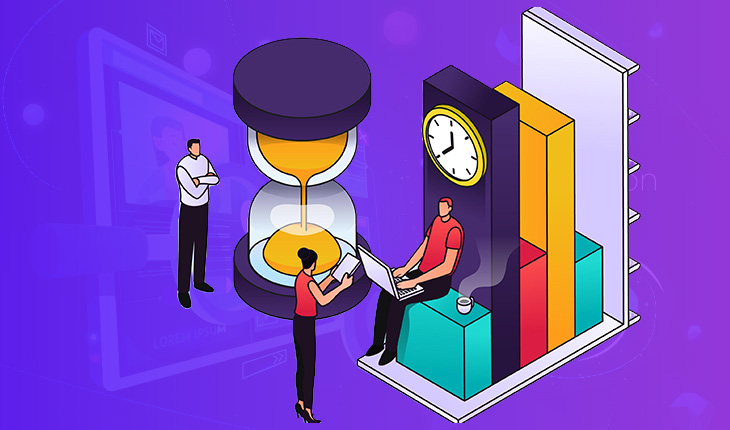
One of the biggest mistakes businesses make is measuring sales in month one. Here’s how results actually build:

  • Phase 1 — Awareness: Reach, impressions, brand visibility. You’re planting seeds.
  • Phase 2 — Engagement: Clicks, time on site, content interactions. Seeds are sprouting.
  • Phase 3 — Conversion: Leads, sales, ROI. Now you harvest.

Judging a campaign’s success by sales in the first 30 days is like pulling a plant out of the ground to check if the roots have grown.

How to Work with Any Agency More Effectively

Most failed marketing relationships don’t fail because of bad strategy. They failed because both sides were operating with completely different expectations, and nobody said anything until it was too late.

So, whether you’re working with us or someone else, a few things make a real difference:

Start by asking for a roadmap — not a fancy PDF, but an actual conversation about what’s going to happen in month one, month three, month six, and what “success” looks like at each stage. If an agency can’t answer that clearly, that tells you something.

Schedule monthly reviews where you actually talk. Reports are fine, but a 20-minute call where someone walks you through what happened, what didn’t, and why — that’s where the real value is.

And change the question you’re asking. Instead of “What were the results this month?” try “What did we learn this month?”

That single shift changes everything. It turns marketing from a vending machine you’re waiting on into a process you’re actually part of.

The businesses that see the best results aren’t always the ones with the biggest budgets. They’re the ones who stay curious, stay patient, and stay involved.

Ready to Know What’s Actually Possible for Your Business?

We’ll be honest with you — this isn’t the blog post most agencies would write. It’s easier to lead with success stories and big numbers and let people figure out the hard parts later.

But we’ve seen what happens when clients come in with unrealistic expectations. The relationship starts under pressure, every month feels like a disappointment, and eventually everyone walks away frustrated — even when the work was actually good.

We’d rather skip all of that.

So, if you’re thinking about investing in digital marketing in Abu Dhabi — whether it’s SEO, paid ads, social media, or all of the above — come talk to us first. Not to sign anything. Just to get a clear picture of where you actually stand, what’s realistic for your industry, and what an honest timeline looks like for your specific goals.

Book a free strategy session with 435 Digital.

No pressure, no hard sell. Just a straightforward conversation — because that’s the only way this actually works.
Ai and the future of digital marketing

Riding the AI Wave: How Artificial Intelligence is Transforming SEO

The realm of SEO is constantly evolving, and one of the most significant recent changes is the rise of artificial intelligence. By leveraging AI’s powerful data analysis and processing capabilities, SEO professionals are unlocking new levels of efficiency, insights, and effectiveness. This article dives into the various ways AI is revolutionizing SEO and how you can utilize it to elevate your website’s ranking and visibility.

Understanding the Landscape: AI’s Power in SEO

AI in SEO doesn’t replace human expertise; it serves as a powerful augmentation. The technology excels at analyzing massive amounts of data, identifying patterns, and making predictions, tasks that can be overwhelming and time-consuming for humans. This ability translates to several key benefits for SEO:

Enhanced Keyword Research:

AI tools can analyze search trends, competitor strategies, and user behavior to uncover valuable keyword opportunities. They can go beyond basic keyword volume data and suggest related concepts, long-tail variations, and rising trends, ensuring your content targets the right audience and search intent.

Content Creation and Optimization: 

AI writing assistants can generate drafts, suggest relevant topics and subtopics, and identify improvement areas in your content based on SEO best practices. These tools save time and ensure your content adheres to the latest search engine algorithms.

Personalized User Experience:

AI can analyze user behavior on your website and personalize the search experience. This includes suggesting relevant content recommendations, optimizing site navigation, and even personalizing meta descriptions for individual users, leading to higher engagement and click-through rates.

Technical SEO Efficiency:

AI-powered tools can automate technical SEO audits, identifying broken links, crawl errors, and mobile responsiveness issues. This saves time and ensures your website’s technical foundation is optimal for search engine crawlers.

Competitor Analysis and Insights:

AI can analyze your competitors’ websites and SEO strategies, providing valuable insights into their keyword usage, content performance, and backlinks. This allows you to identify gaps in your own strategy and develop competitive campaigns.

Exploring the Tools: Putting AI to Work

The market is brimming with AI-powered SEO tools, each offering unique features and functionalities. Here are some popular options:

SEMrush: Offers a comprehensive suite of SEO tools, including keyword research, content optimization suggestions, and competitor analysis, heavily powered by AI.

Ahrefs: Provides in-depth backlink analysis, competitor research, and on-page SEO recommendations, utilizing advanced AI algorithms.

Surfer SEO: Focuses on on-page optimization, analyzing your content against top-ranking competitors and suggesting improvements based on AI-powered insights.

Frase: This AI writing assistant helps create high-quality, SEO-optimized content by suggesting relevant topics, outlining structures, and providing writing prompts.

Ryte: Offers a comprehensive technical SEO audit tool, powered by AI, to identify and fix website issues hindering search engine visibility.

Beyond the Hype: Key Considerations and Best Practices

While AI offers tremendous potential in SEO, it’s crucial to remember that it’s not a magic bullet. Here are some key considerations to keep in mind:

AI tools are not replacements for human expertise: They enhance SEO efforts, but strategic direction and critical thinking still require human input.

Data quality is paramount: The effectiveness of AI tools heavily relies on the quality and quantity of data they analyze. Ensure you use reputable sources and provide accurate information.

Content authenticity remains critical: Even with AI assistance, prioritize creating original, valuable content that resonates with your audience.

Transparency and user experience matter: Ensure AI-generated content doesn’t appear robotic or misleading. Prioritize human review and editing for natural language and user-friendliness.

Stay updated with evolving technology: The field of AI is constantly changing, so keep yourself informed about new tools and advancements to remain at the forefront of SEO.

As AI continues to evolve, its impact on SEO will only grow. By thoughtfully integrating this technology into your strategy, you can gain valuable insights, automate repetitive tasks, and create optimized content that resonates with your audience. Remember, AI is a powerful tool, but it’s your strategic vision and human expertise that will ultimately drive your website’s success in the ever-changing search landscape.

What is digital marketing

What is Digital Marketing? Your Guide to Thriving in the Online World

In today’s hyper-connected world, the digital landscape dominates our lives. From the moment we wake up to scrolling through social media feeds to online shopping sprees before bed, the digital realm permeates every aspect of our existence. And for businesses, navigating this ever-evolving terrain is crucial for success. That’s where digital marketing comes in, acting as your compass and guide in the vast online wilderness.

But before we delve into the nitty-gritty of digital marketing strategies, let’s tackle the fundamental question: what is digital marketing?

In essence, digital marketing is the art and science of promoting your brand, products, or services using online channels and digital technologies. This encompasses a wide range of tactics and techniques, all geared towards captivating your target audience and converting them into loyal customers.

Think of it like this: imagine your target audience as a group of explorers scattered across a vast digital archipelago. Each island represents a different online platform, be it social media, search engines, or mobile apps. Your goal as a digital marketer is to build bridges between these islands, attracting the explorers (potential customers) with engaging content, targeted advertising, and interactive experiences. Ultimately, you want to guide them to your brand’s treasure trove (website, landing page, or online store) and convert them into loyal residents (consumers).

So, what are the tools in a digital marketer’s treasure chest? Let’s explore some of the key weapons in this digital marketing arsenal: (see full service details here)

Search Engine Optimization (SEO): This involves optimizing your website and content to rank higher in search engine results pages (SERPs). Think of it as making your island easy to find on a digital map.

Content Marketing: Creating valuable and informative content, like blog posts, infographics, or videos, attracts and engages your target audience, establishing you as a thought leader in your industry. Think of it as building beautiful bridges between the islands to entice explorers to visit.

Social Media Marketing: Engaging with your audience on platforms like Facebook, Instagram, and Twitter allows you to build relationships, promote your brand, and drive traffic to your website. Think of it as setting up campfires on each island to attract curious explorers.

Pay-Per-Click (PPC) Advertising: This involves running targeted ads on search engines and social media platforms, paying only when someone clicks on them. Think of it as paying for billboards on each island to reach a wider audience.

Email Marketing: Sending targeted emails to your audience allows you to nurture leads, promote special offers, and build brand loyalty. Think of it as sending personalized invitations to your island paradise.

But what makes digital marketing different from traditional marketing?

Sure, both aim to promote brands and increase sales. However, digital marketing offers several distinct advantages:

Measurability: Unlike traditional marketing methods, digital marketing campaigns can be tracked and analyzed in real time, allowing you to measure their effectiveness and make adjustments as needed. Think of it as having a treasure chest with a built-in counter, so you always know how many explorers have claimed their loot.

Targeting: Digital marketing allows you to target your ideal audience with laser precision, based on demographics, interests, and online behavior. Think of it as having a map that shows you exactly where the explorers you’re looking for are located.

Personalization: With digital marketing, you can personalize your messages and offers to individual customers, creating a more relevant and engaging experience. Think of it as tailoring your treasure chest to each explorer’s specific desires.

Cost-effectiveness: Compared to traditional marketing methods, digital marketing can be more cost-effective, allowing you to reach a wider audience with a smaller budget. Think of it as finding a clever way to build your bridges and attract explorers without breaking the bank.

Is digital marketing the magic potion for guaranteed success?

In the modern business world, where every click holds the potential for a new customer, digital marketing often gets touted as the holy grail of success. Flashy advertisements proclaim: “Boost Sales Instantly!” or “Go Viral With One Click!” It’s tempting to believe that mastering this digital alchemy will lead to overflowing coffers and boundless prosperity. But before you chug down a digital potion expecting instant riches, let’s take a closer look at the reality behind the hype.

Myth #1: Digital Marketing is a Guaranteed Success Potion

This is where we need to apply a generous dose of reality. Digital marketing is not a magic elixir. It’s a powerful tool, yes, but like any tool, it’s wielded by human hands. The effectiveness of your digital strategy hinges on your planning, execution, and adaptation. A poorly targeted campaign or shoddy website content won’t magically attract hordes of customers. Instead, it might just leave you with a bitter aftertaste of wasted ad spend and frustrated potential leads

Myth #2: It’s a One-Click-to-Victory Process

While digital marketing offers the allure of automation and instant reach, true success rarely happens in a single click. Think of it more like a marathon than a sprint. Building a brand online takes time, effort, and consistent nurturing. You need to understand your target audience, craft compelling content, and optimize your strategy based on data-driven insights. It’s about building trust, engagement, and long-term relationships, not just one-off conversions.

Myth #3: It’s All About Buzzwords and Trends

Digital marketing is a dynamic field, with new trends and tools emerging every day. While staying abreast of these developments is important, chasing every shiny buzzword without a clear strategy is a recipe for confusion and wasted resources. Focus on your core marketing goals and tailor your digital approach to align with your brand and target audience. Don’t fall victim to the latest fad only to discover it has no bearing on your specific needs.

So, where does this leave us? Is digital marketing a worthless mirage in the entrepreneurial desert? Absolutely not! It’s a powerful tool that can unlock tremendous opportunities for businesses of all sizes. But it’s crucial to understand its limitations and approach it with a realistic perspective.

Here’s the real magic formula for success:

Solid Strategy: Start with a clear understanding of your target audience, business goals, and unique value proposition.

Effective Execution: Choose the right digital channels and tactics to reach your audience and engage them with high-quality content.

Data-Driven Optimization: Constantly monitor your results, analyze data, and adapt your approach based on what’s working and what’s not.

Patience and Persistence: Building a successful online presence takes time and consistent effort. Don’t get discouraged by setbacks; learn from them and keep refining your strategy.

Remember, digital marketing is not a magic potion, but it can be a potent ingredient in your recipe for success. Use it wisely, with careful planning and a healthy dose of realism, and you’ll be well on your way to achieving your online business goals. So, ditch the quest for the mythical elixir and embrace the true magic of strategic, data-driven digital marketing. The rewards will be far sweeter and more sustainable than any instant fix.

In conclusion, digital marketing is a powerful tool, not a guaranteed shortcut to success. Approach it with a clear strategy, data-driven insights, and realistic expectations, and you’ll be well-positioned to navigate the dynamic online landscape and achieve your business goals.